
Comprehensive Guide to Diastasis Recti (Abdominal Separation)
Diastasis recti is a common condition where the abdominal muscles separate during pregnancy, creating a gap in the midline. This separation occurs when the connective tissue (linea alba) between your rectus abdominis muscles stretches and thins. Understanding this condition is essential for proper postpartum recovery and core rehabilitation.
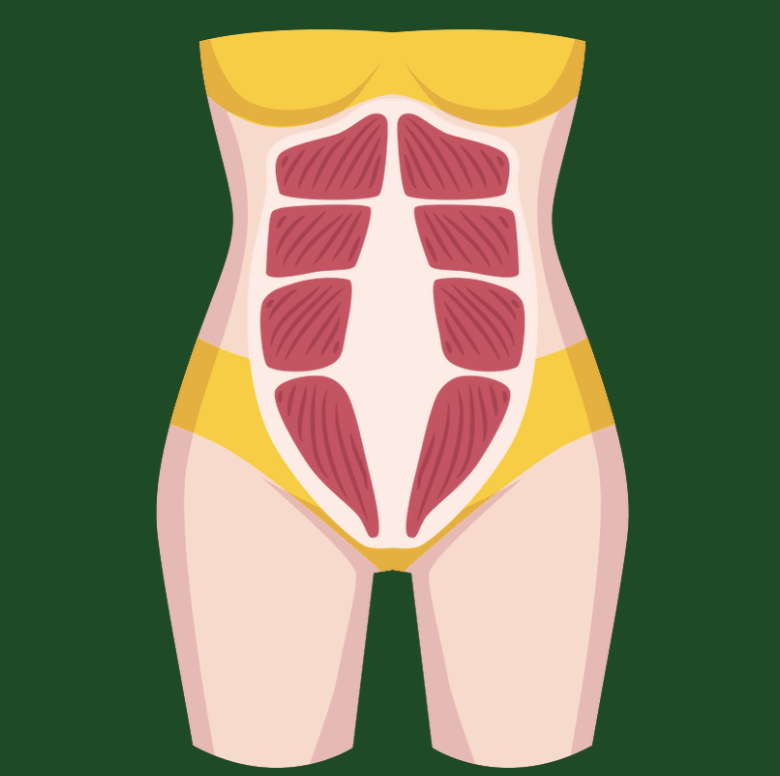

Overview of Diastasis Recti
What is diastasis recti?
Diastasis recti (also called abdominal separation) is a condition where the two large parallel bands of rectus abdominis muscles separate along the linea alba (the connective tissue running down the center of your abdomen). This separation is measured by the width of the gap and the depth/quality of the connective tissue. While most common during and after pregnancy, it can also occur in men and non-pregnant women.
Common Causes
Diastasis recti develops when the linea alba is stretched beyond its capacity. Common causes include:
- Pregnancy (especially multiple or closely spaced pregnancies)
- Carrying multiples (twins, triplets)
- Large baby or excess amniotic fluid
- Poor core muscle tone before pregnancy
- Improper exercise technique during pregnancy
- Genetic factors affecting connective tissue elasticity
- Advanced maternal age
- Excessive weight gain during pregnancy
- Heavy lifting with poor technique
- Chronic coughing or constipation increasing abdominal pressure
Symptoms to Watch For
Signs and symptoms of diastasis recti include:
- Visible bulge or 'doming' in the center of the abdomen when sitting up
- Soft, jelly-like feeling in the midline of the abdomen
- Postpartum belly that persists despite diet and exercise
- Lower back pain due to lack of core support
- Pelvic floor dysfunction or urinary incontinence
- Poor posture and difficulty maintaining upright position
- Difficulty with core-dependent activities (carrying, lifting)
- Umbilical or ventral hernia
- Digestive issues or bloating
- Separation that feels or measures 2+ finger widths
When to Seek Professional Help
Seek professional assessment if you experience:
- Visible doming or bulging when getting up from lying down
- Persistent postpartum belly after 8-12 weeks
- Lower back pain that doesn't improve with rest
- Pelvic floor symptoms (leaking, heaviness, prolapse)
- Gap of 2+ finger widths between abdominal muscles
- Planning to return to exercise postpartum
- Difficulty with functional movements and daily activities
Treatment Options
Diastasis recti treatment focuses on restoring abdominal wall integrity through targeted rehabilitation:
Physiotherapy
Progressive core strengthening exercises, functional training, and breathing techniques to reconnect and strengthen the abdominal muscles.
Core Activation Exercises
Specific exercises targeting the transverse abdominis and deep core muscles to reduce the separation width.
Breathing Techniques
Diaphragmatic breathing and pressure management to reduce intra-abdominal pressure during activities.
Functional Movement Training
Retraining daily movements like lifting, carrying, and getting up with proper core engagement.
Helpful Exercises
These gentle exercises can help improve diastasis recti (always get professional assessment first):
Important: Always consult with a physiotherapist before starting any exercise program.
Diaphragmatic Breathing
Lie on your back with knees bent. Breathe deeply into your belly, letting it expand. Exhale fully, gently drawing navel toward spine. Repeat 10 times.
Pelvic Tilts
Lie on your back with knees bent. Gently tilt pelvis to flatten lower back against floor. Hold 5 seconds, release. Repeat 10 times.
Heel Slides
Lie on back, knees bent. Engage core gently. Slowly slide one heel along floor to straighten leg. Return to start. Alternate legs for 10 reps each.
Modified Plank
Start on hands and knees. Engage core, keep back straight. Hold for 10-30 seconds. Avoid if doming occurs. Progress gradually.
Dead Bug (Modified)
Lie on back, knees bent at 90 degrees. Slowly lower one foot toward floor while maintaining core engagement. Alternate sides for 5-10 reps each.
Prevention Tips
While diastasis recti can't always be prevented, these strategies may reduce risk:
- Maintain good core strength before and during pregnancy
- Practice proper lifting and movement techniques
- Avoid exercises that cause abdominal doming during pregnancy
- Manage weight gain within recommended guidelines
- Stay active with pregnancy-safe exercises
- Use proper body mechanics when getting up from lying down
- Address chronic constipation or coughing
- Wear supportive belly bands during and after pregnancy
- Seek early postpartum physiotherapy assessment
Lifestyle Modifications
Lifestyle modifications support diastasis recti recovery:
Daily Movement
Roll to your side before getting up from lying down. Avoid traditional sit-ups or crunches. Engage core before lifting or carrying.
Posture
Maintain upright posture throughout the day. Avoid slouching which increases abdominal pressure. Use supportive seating.
Breathing
Practice diaphragmatic breathing daily. Avoid breath-holding during exertion. Exhale during effort (lifting, standing up).
Nutrition
Stay hydrated and eat fiber-rich foods to prevent constipation. Maintain healthy weight to reduce abdominal pressure.
Frequently Asked Questions
Will diastasis recti go away on its own?
Some cases improve naturally in the first 8-12 weeks postpartum as hormones normalize and swelling reduces. However, most cases require targeted exercises and proper rehabilitation for optimal recovery. Without intervention, the separation often persists or worsens with subsequent pregnancies.
Can I have another baby with diastasis recti?
Yes, you can have another pregnancy with diastasis recti, but it's ideal to rehabilitate your core first. Strengthening the abdominal muscles before conception reduces the risk of worsening the separation and improves your pregnancy and postpartum experience. Consult with a physiotherapist for guidance.
How do I know if I have diastasis recti?
You can do a self-check: Lie on your back with knees bent. Place fingers above your belly button. Lift your head slightly. Feel for a gap. If you can fit 2+ fingers width between the muscles, you may have diastasis recti. Professional assessment is recommended for accurate diagnosis and treatment planning.
What exercises should I avoid with diastasis recti?
Avoid traditional crunches, sit-ups, planks (if doming occurs), full push-ups, heavy lifting, and any exercise causing visible doming or bulging in the abdomen. Focus on exercises that draw the muscles together rather than push them apart. Work with a physiotherapist for safe exercise guidance.
Is surgery necessary for diastasis recti?
Most cases of diastasis recti respond well to physiotherapy and don't require surgery. Surgery (abdominoplasty with muscle plication) is typically considered only for severe cases where the gap is very wide, there's a hernia present, or conservative treatment hasn't worked after 12+ months of dedicated rehabilitation.
Patient Testimonials
Verified Google Reviews — Real feedback from our patients
K Krithivasan
Had great relief from Back pain after 10 sessions of therapy.Bit expensive but worth it.
Anbukkarasi Padmaraj
I have gone for modified epley. This therapy is done by very few centres only. In this chennai physio care , the dr done very well and it was good. I recommend this centre