
Comprehensive Guide to Frozen Shoulder (Adhesive Capsulitis)
Frozen shoulder, also known as adhesive capsulitis, is a condition that causes pain and stiffness in the shoulder joint. It typically develops gradually, worsens over time, and can significantly limit your range of motion. Understanding this condition is crucial for effective treatment and recovery.


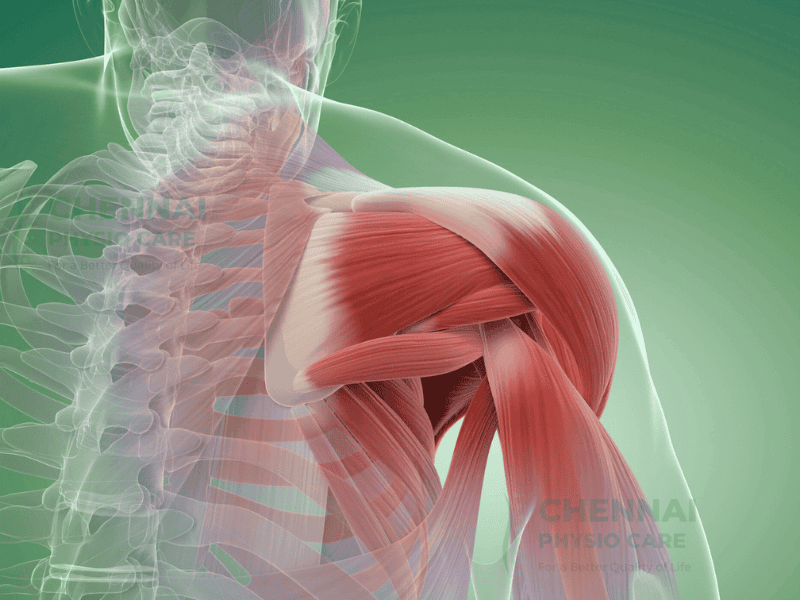
Overview of Frozen Shoulder
What is frozen shoulder?
Frozen shoulder (adhesive capsulitis) is a condition characterized by stiffness and pain in the shoulder joint. The shoulder capsule becomes thick and tight, making it difficult to move. The condition typically progresses through three distinct stages: freezing, frozen, and thawing, each lasting several months to years.
Common Causes
Frozen shoulder can develop due to various factors, though the exact cause is often unknown:
- Prolonged immobility due to injury, surgery, or illness
- Diabetes (significantly increases risk)
- Thyroid disorders (hyperthyroidism or hypothyroidism)
- Cardiovascular disease
- Parkinson's disease
- Previous shoulder injury or surgery
- Age (most common between 40-60 years)
- Gender (more common in women)
- Autoimmune conditions
- Hormonal changes, particularly menopause
Symptoms to Watch For
Frozen shoulder symptoms typically develop gradually and progress through three stages:
- Gradual onset of shoulder pain that worsens at night
- Progressive loss of shoulder range of motion
- Difficulty reaching overhead or behind the back
- Pain when lying on the affected shoulder
- Stiffness that makes daily activities challenging
- Aching pain that may radiate down the arm
- Muscle weakness due to disuse
- Sleep disturbances due to pain
- Difficulty with dressing, grooming, and reaching
- Pain that may improve but stiffness persists
When to Seek Professional Help
Seek professional help if you experience:
- Persistent shoulder pain lasting more than a few days
- Gradual loss of shoulder movement
- Inability to reach overhead or behind your back
- Night pain that disrupts sleep
- Difficulty with daily activities due to shoulder stiffness
- No improvement after 2-3 weeks of rest
Treatment Options
Frozen shoulder treatment focuses on pain management and restoring mobility through various approaches:
Physiotherapy
Therapeutic exercises, progressive range of motion training, and stretching protocols to restore shoulder mobility and reduce pain.
Pain Management
Electrotherapy, heat therapy, ice application, ultrasound, and TENS for pain management and inflammation.
Traction Therapy
Controlled traction techniques to decompress the shoulder joint and improve mobility.
Exercise Therapy
Specific stretching and strengthening exercises designed to gradually restore range of motion and prevent muscle weakness.
Helpful Exercises
These gentle exercises can help improve frozen shoulder mobility (always consult your physiotherapist first):
Important: Always consult with a physiotherapist before starting any exercise program.
Pendulum Swings
Lean forward, let your affected arm hang down, and gently swing it in small circles. Start with 30 seconds, gradually increase.
Cross-Body Arm Stretch
Use your good arm to gently pull your affected arm across your chest. Hold for 15-30 seconds, repeat 3-5 times.
Towel Stretch
Hold a towel behind your back with both hands. Use your good arm to gently pull the affected arm upward. Hold for 15-30 seconds.
Wall Slides
Stand facing a wall, place your affected arm against it, and slowly slide it up as high as comfortable. Hold and slowly lower.
External Rotation
With your elbow at your side, use a resistance band or towel to gently rotate your arm outward. Hold for 5 seconds, repeat 10 times.
Prevention Tips
While frozen shoulder can't always be prevented, these strategies may reduce your risk:
- Keep your shoulder mobile with regular gentle exercises
- Manage underlying conditions like diabetes effectively
- Avoid prolonged immobilization of the shoulder
- Maintain good posture throughout the day
- Stay active and maintain overall fitness
- Seek early treatment for shoulder injuries
- Follow post-surgery rehabilitation protocols carefully
- Manage stress levels as it can affect healing
- Maintain a healthy weight to reduce joint stress
Lifestyle Modifications
Lifestyle modifications can significantly help manage frozen shoulder:
Sleep Position
Sleep on your unaffected side with a pillow supporting your affected arm to reduce night pain.
Daily Activities
Modify activities to work within your pain-free range of motion while gradually challenging your limits.
Heat and Cold Therapy
Apply heat before exercises to relax muscles, and ice after activities to reduce inflammation.
Stress Management
Practice relaxation techniques as stress can increase muscle tension and slow healing.
Frequently Asked Questions
How long does frozen shoulder take to heal?
Frozen shoulder typically progresses through three stages over 1-3 years. The freezing stage lasts 6 weeks to 9 months, the frozen stage 4-6 months, and the thawing stage 6 months to 2 years. Early physiotherapy can help reduce this timeline.
Can frozen shoulder be cured completely?
Most people with frozen shoulder eventually regain most or all of their shoulder movement, though it may take 1-3 years. Some people may have mild, long-term stiffness, but significant improvement is typical with proper treatment.
What's the difference between frozen shoulder and rotator cuff injury?
Frozen shoulder involves stiffness of the entire shoulder capsule with gradual onset, while rotator cuff injuries typically cause specific movement-related pain with maintained passive range of motion. A physiotherapist can help differentiate between the two.
Should I exercise through the pain with frozen shoulder?
Gentle exercises within your pain tolerance are important for recovery. However, you should avoid aggressive stretching that causes severe pain. Work with a physiotherapist to develop an appropriate exercise program.
Can diabetes really cause frozen shoulder?
Yes, people with diabetes are 2-4 times more likely to develop frozen shoulder. High blood sugar levels can affect the connective tissues in the shoulder capsule, making them more prone to inflammation and stiffness.
Patient Testimonials
Verified Google Reviews — Real feedback from our patients
Sam srinivas
I came here for my son’s bell’s palsywe were advised EMS and exercises for 10 days .We took the course of treatment it had good results
Arthi Krish
I went to Chennai Physio Care for the treatment of severe back pain and ankle pain. I had a swollen leg due to pain. Dr. Vanathy diagnosed me and explained in detail the root cause and what is the treatment to get rid of it.After few sittings my swelling and back pain started reducing. Dr. Vanathy and team is very friendly and approachable Right place for physio…