
Comprehensive Guide to Neck Pain (Cervical Pain)
Neck pain is a common condition that affects millions of people worldwide. It can range from mild stiffness to severe, debilitating pain that radiates to the shoulders and arms. Modern lifestyle factors, poor posture, and stress contribute significantly to the increasing prevalence of neck pain.
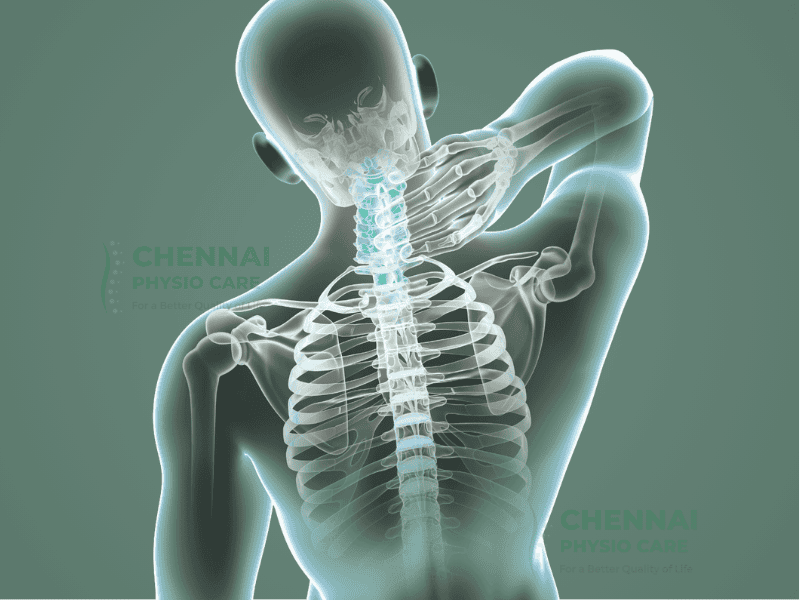


Overview of Neck Pain
What is neck pain?
Neck pain (cervical pain) refers to discomfort in any of the structures in the neck, including muscles, nerves, spinal vertebrae, and the cushioning discs between them. The cervical spine supports the weight of your head (approximately 10-12 pounds) and allows for a wide range of motion, making it susceptible to injury and wear. Pain can be acute (lasting days to weeks) or chronic (lasting months or longer).
Common Causes
Neck pain can result from various factors, including lifestyle and medical conditions:
- Poor posture from prolonged computer use or phone use
- Muscle strain from sudden movements or sleeping awkwardly
- Cervical spondylosis (age-related wear and tear)
- Herniated or bulging cervical discs
- Whiplash from car accidents or sports injuries
- Pinched nerves (cervical radiculopathy)
- Stress and tension causing muscle tightness
- Arthritis affecting the cervical spine
- Fibromyalgia and other chronic pain conditions
- Infections or tumors (rare but serious causes)
Symptoms to Watch For
Neck pain can present with various symptoms depending on the underlying cause:
- Aching or stiffness in the neck muscles
- Sharp or burning pain that may radiate to shoulders
- Headaches, especially at the base of the skull
- Reduced range of motion in the neck
- Muscle spasms and tenderness
- Numbness or tingling in arms or hands
- Weakness in arms or hands
- Pain that worsens with movement
- Difficulty sleeping due to discomfort
- Grinding or clicking sounds with movement
When to Seek Professional Help
Seek immediate medical attention if you experience:
- Severe neck pain following an injury or accident
- Neck pain with high fever and headache
- Numbness, weakness, or tingling in arms or hands
- Pain that radiates down arms or legs
- Inability to move your neck or severe stiffness
- Loss of bladder or bowel control
Treatment Options
Effective neck pain treatment often involves a combination of approaches:
Exercise Therapy
Specific exercises to strengthen neck muscles, improve posture, and enhance flexibility and range of motion.
Electrotherapy
TENS (Transcutaneous Electrical Nerve Stimulation), ultrasound therapy, and electrical muscle stimulation to reduce pain and inflammation.
Traction Therapy
Cervical traction to decompress the spine, relieve nerve pressure, and improve mobility.
Postural Correction
Education and training to improve workplace ergonomics and daily posture habits.
Helpful Exercises
These gentle exercises can help relieve neck pain and improve mobility:
Important: Always consult with a physiotherapist before starting any exercise program.
Neck Rotations
Slowly turn your head to the right, hold for 5 seconds, then to the left. Repeat 5 times each direction.
Chin Tucks
Pull your chin back toward your neck, creating a double chin. Hold for 5 seconds, repeat 10 times.
Shoulder Blade Squeezes
Squeeze your shoulder blades together, hold for 5 seconds. Repeat 10 times to improve posture.
Upper Trap Stretch
Tilt your head to one side, gently pull with your hand. Hold for 30 seconds each side.
Prevention Tips
Prevent neck pain with these daily habits and practices:
- Maintain good posture while sitting and standing
- Take frequent breaks from computer work (every 30 minutes)
- Use ergonomic workstation setup
- Sleep with proper pillow support
- Avoid carrying heavy bags on one shoulder
- Stay hydrated and maintain good nutrition
- Manage stress through relaxation techniques
- Exercise regularly to maintain neck strength
- Avoid sudden, jerky neck movements
Lifestyle Modifications
Incorporate these lifestyle changes to support neck health:
Workspace Ergonomics
Adjust monitor height to eye level, use ergonomic chair with lumbar support, and position keyboard properly to reduce neck strain.
Sleep Position
Use supportive pillow that maintains natural cervical curve, sleep on back or side, avoid stomach sleeping which twists the neck.
Stress Management
Practice relaxation techniques, meditation, deep breathing, and regular physical activity to reduce muscle tension from stress.
Frequently Asked Questions
How can I prevent neck pain from computer work?
Ensure your monitor is at eye level, take breaks every 30 minutes to stretch, use proper chair support with adjustable height, and perform neck stretches regularly throughout the day. Position your keyboard and mouse to keep your arms at a comfortable angle.
What's the best sleeping position for neck pain?
Sleep on your back or side with a supportive pillow that maintains the natural curve of your neck. Your pillow should keep your head level with your spine. Avoid sleeping on your stomach as it forces your neck to twist for extended periods.
When will my neck pain improve with physiotherapy?
Most people see improvement within 2-4 weeks of consistent physiotherapy treatment, though this varies depending on the cause and severity of the condition. Acute neck pain often responds faster than chronic conditions. Consistency with exercises and treatment recommendations is key.
Can stress really cause neck pain?
Yes, stress causes muscle tension, particularly in the neck and shoulder areas. When stressed, people often unconsciously tighten these muscles, leading to pain and stiffness. Managing stress through relaxation techniques, exercise, and proper posture can significantly reduce stress-related neck pain.
Is cervical spondylosis the same as neck pain?
Cervical spondylosis is a specific type of neck pain caused by age-related wear and tear of the cervical spine. While all cervical spondylosis causes neck pain, not all neck pain is cervical spondylosis. Neck pain can have many causes including muscle strain, poor posture, or injury.
Patient Testimonials
Verified Google Reviews — Real feedback from our patients
K Krithivasan
Had great relief from Back pain after 10 sessions of therapy.Bit expensive but worth it.
Anbukkarasi Padmaraj
I have gone for modified epley. This therapy is done by very few centres only. In this chennai physio care , the dr done very well and it was good. I recommend this centre