
Comprehensive Guide to Sciatica (Sciatic Nerve Pain)
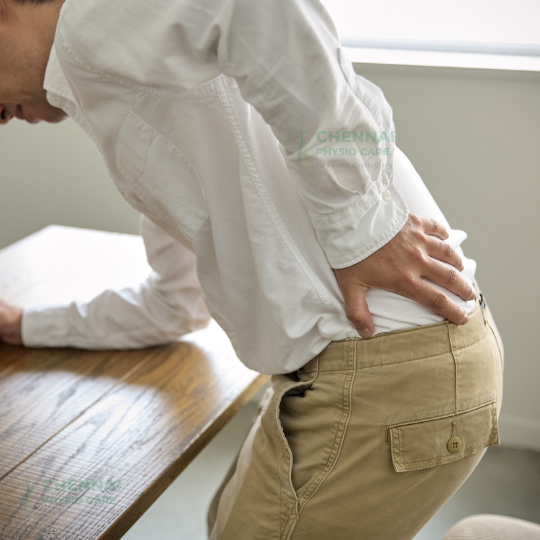
Sciatica describes pain that radiates along the sciatic nerve — the body's longest nerve — running from the lower back through the buttock and down each leg. It usually affects one side and is felt as burning, shooting or electric-shock-like pain, often with numbness or tingling.
The pain shows up in the leg, but the problem is almost always at the spine or hip, where the nerve is being compressed or irritated. That distinction is the key to treating it properly — and to stopping it coming back.

Understanding Sciatica
What is sciatica?
Sciatica is pain caused by irritation or compression of the sciatic nerve, which branches from the lower spine (nerve roots L4 to S3), passes through the buttock and runs down the back of each leg. Because the pain follows the nerve's path, it is felt in the leg — but the source is at the spine or hip, not in the leg itself. Sciatica is a symptom rather than a diagnosis: the goal of a good assessment is to find what is pressing on or irritating the nerve.
Common Causes
Sciatica develops when something compresses or irritates the sciatic nerve or its roots. Common causes include:
- Herniated or bulging disc in the lumbar spine (the most common cause)
- Spinal stenosis — narrowing of the spinal canal, more common with age
- Piriformis syndrome — the piriformis muscle in the buttock compressing the nerve
- Degenerative disc disease
- Spondylolisthesis — slippage of one vertebra over another
- Bone spurs (osteophytes) pressing on the nerve root
- Pregnancy-related compression of the sciatic nerve
- Prolonged sitting and desk work, which increases disc pressure and tightens the hips
Symptoms to Watch For
Sciatica can feel different from person to person. Common symptoms include:
- Pain radiating from the lower back or buttock down one leg, sometimes to the foot
- Burning, shooting or electric-shock-like pain along the leg
- Numbness, tingling or 'pins and needles' in the leg or foot
- Weakness in the leg or foot
- Pain that worsens with sitting, standing for long periods, coughing or sneezing
- Difficulty walking, bending or finding a comfortable position
- Pain that eases when the leg pain retreats back towards the spine (a sign called centralisation)
When to Seek Professional Help
Most sciatica is not dangerous, but certain symptoms need emergency medical attention. Seek urgent care immediately if you experience:
- Loss of bladder or bowel control
- Numbness around the groin, buttocks or inner thighs (saddle area)
- Sudden, severe weakness in one or both legs
- Sciatica following a serious fall or injury
- Fever alongside back pain, or pain that is severe and rapidly worsening
Treatment Options
Most sciatica improves without surgery. Treatment is most effective when it targets the specific cause rather than applying one routine to everyone:
Physiotherapy Assessment
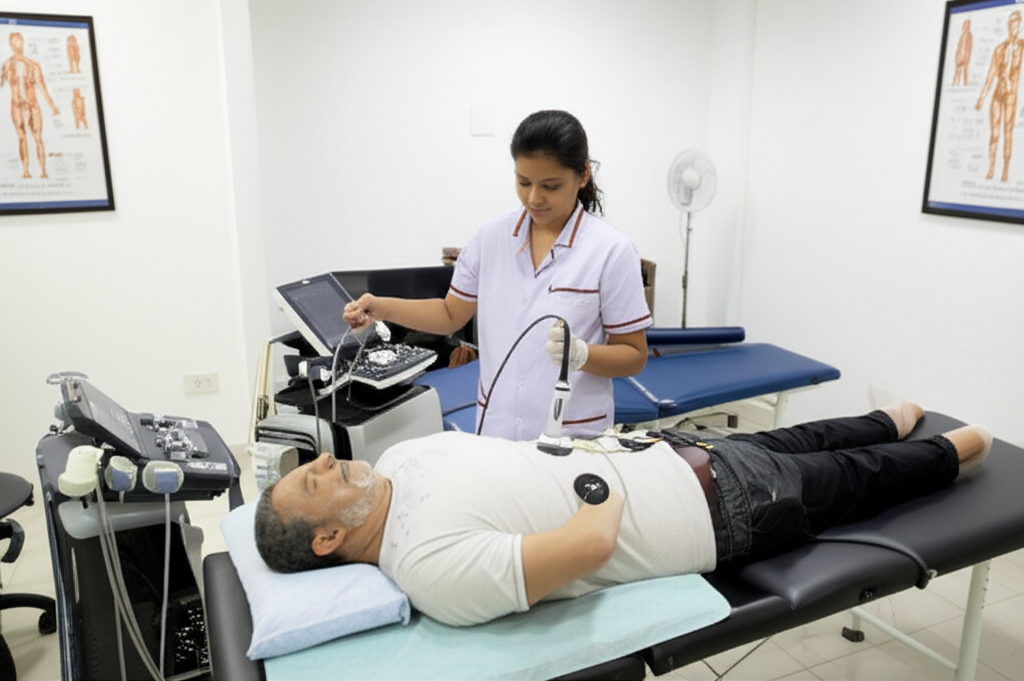
A detailed history plus physical and neurological tests (reflexes, strength, sensation, straight-leg raise) to identify the likely spinal level and cause before treatment begins.
Nerve Mobilisation & Pain Relief
Hands-on techniques and positioning to calm the irritated nerve and restore comfortable movement in the early, painful phase.
Cause-Specific Exercise
Targeted exercise that promotes centralisation — drawing the pain back toward the spine — chosen for your specific cause, since what helps a disc problem can worsen stenosis.
Strength & Movement Retraining
Core, hip and gluteal strengthening plus posture and movement correction to take pressure off the nerve and reduce the risk of recurrence.
Helpful Exercises
Gentle movement usually helps sciatica more than bed rest. The right exercises depend on your cause, so have them matched to an assessment — the examples below are commonly used starting points:
Important: Always consult with a physiotherapist before starting any exercise program.
Stay Active (Gentle Walking)
Short, frequent walks maintain mobility and blood flow and reduce nerve sensitivity. Build up gradually within a comfortable range rather than resting in bed.
Sciatic Nerve Glides
Gentle 'flossing' movements that help the nerve move freely. They should ease symptoms, not provoke sharp pain — stop if pain increases or travels further down the leg.
Prone Press-Up (for many disc-related cases)
Lying face down, gently push the upper body up on the forearms or hands, keeping hips relaxed. Often helps centralise disc-related pain — but can aggravate stenosis, so check first.
Glute & Piriformis Release
Gentle stretching and release of the buttock muscles can reduce compression in piriformis-related sciatica. Avoid forcing into pain.
Posture & Sitting Breaks
Stand and move every 30–45 minutes, support the lower back when seated, and avoid long periods slumped at a desk — prolonged sitting is a common driver of flare-ups.
Prevention Tips
You can't always prevent sciatica, but these habits reduce the risk of it starting or returning:
- Break up long periods of sitting — stand and move regularly
- Set up your desk and chair to support the lower back
- Lift with your legs and avoid twisting while carrying loads
- Keep your core, hips and glutes strong
- Stay generally active rather than long periods of rest
- Maintain a healthy weight to reduce load on the spine
- Address early back or buttock pain before it progresses
Lifestyle Modifications
Day-to-day adjustments support recovery and help prevent flare-ups:
Sitting & Desk Work
Prolonged sitting raises disc pressure and tightens the hips. Take regular standing breaks, use lumbar support, and avoid slumping for long stretches.
Movement Over Rest
Gentle, continued movement calms the nerve better than bed rest. Keep moving within comfortable limits, even when it's tempting to stop entirely.
Sleep & Positioning
Try lying on your side with a pillow between the knees, or on your back with a pillow under the knees, to ease pressure on the nerve at night.
Frequently Asked Questions
Why does my sciatica keep coming back?
Recurring sciatica usually means the underlying cause hasn't been fully addressed — for example, the movement patterns, sitting habits or muscle weakness that keep irritating the nerve. Lasting relief comes from treating the specific cause and building strength and habits that take pressure off the nerve, not just settling the pain when it flares.
What is centralisation, and why does it matter?
Centralisation is when pain moves from the leg back towards the spine during treatment. Although it can feel like the back is getting worse, it's usually a positive sign that the nerve is becoming less irritated and recovery is on track. We use it as a guide to whether your exercises are working.
Does rest help sciatica?
A little rest in the first day or two of a severe flare can help, but prolonged bed rest tends to make sciatica worse by stiffening the spine and de-conditioning the muscles that support it. Staying as active as your pain allows generally leads to faster recovery.
Do I need an MRI to diagnose sciatica?
Not usually. A physiotherapy assessment can identify the likely cause in most cases. Importantly, MRI scans often show disc changes in people with no pain at all, so a scan finding doesn't always explain your symptoms. An MRI is most useful when symptoms are severe, not improving as expected, or when surgery is being considered.
How long does sciatica take to recover?
Many acute cases improve within 2–4 weeks of consistent physiotherapy. Longer-standing or more severe cases often take 6–12 weeks for substantial improvement. A physiotherapist can give you a clearer timeline after assessing your specific situation.
Can sciatica be treated without surgery?
Yes — the large majority of sciatica improves with physiotherapy and self-management, without surgery. Structured rehabilitation is often recommended before surgery is considered, and many people avoid surgery altogether once the underlying cause is addressed.
Further Reading
More from our physiotherapists on understanding and recovering from sciatica:
Patient Testimonials
Verified Google Reviews — Real feedback from our patients
Sam srinivas
I came here for my son’s bell’s palsywe were advised EMS and exercises for 10 days .We took the course of treatment it had good results
Arthi Krish
I went to Chennai Physio Care for the treatment of severe back pain and ankle pain. I had a swollen leg due to pain. Dr. Vanathy diagnosed me and explained in detail the root cause and what is the treatment to get rid of it.After few sittings my swelling and back pain started reducing. Dr. Vanathy and team is very friendly and approachable Right place for physio…